
CPR in the OR vs. Everyday Life
Cardiopulmonary resuscitation (CPR) is a life-saving intervention used when someone’s heart stops beating or when they stop breathing. While the


Cardiopulmonary resuscitation (CPR) is a life-saving intervention used when someone’s heart stops beating or when they stop breathing. While the

Surgical drapes are used during surgeries to create a sterile environment and ensure patient safety. These drapes are carefully designed
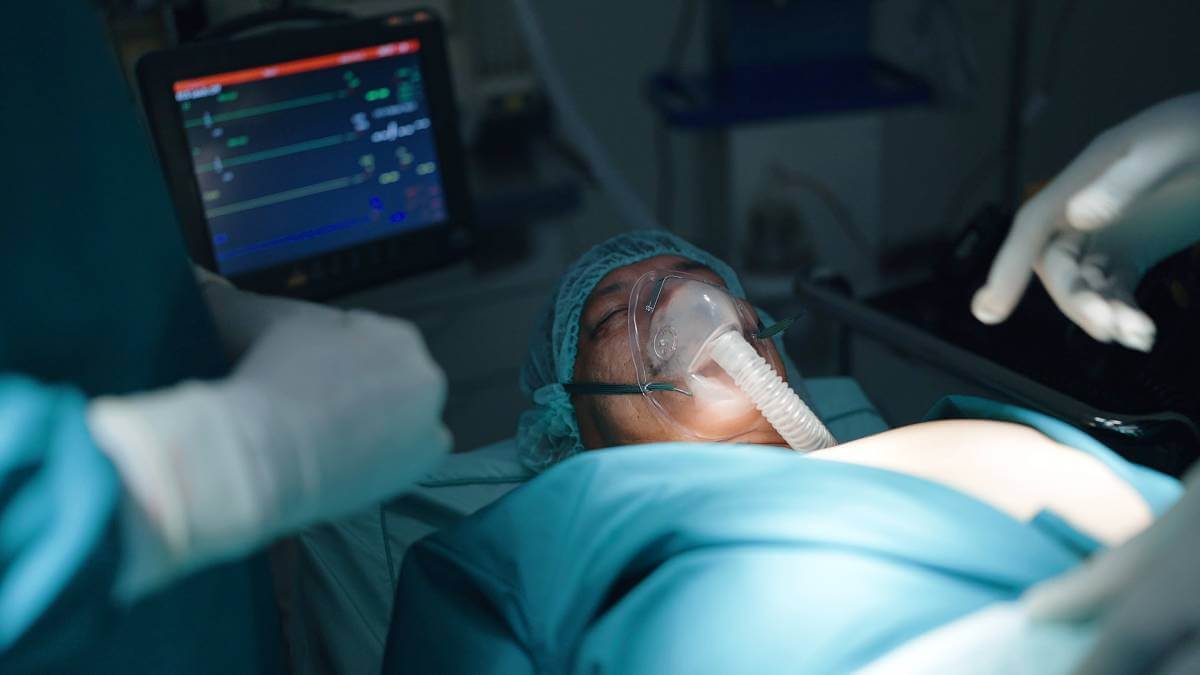
Seizures following anesthesia and surgery are a complex phenomenon with multiple potential etiologies, ranging from pre-existing neurological conditions to metabolic

Chronic postoperative pain is defined as chronic pain that intensifies after surgery and persists for at least three months1. Chronic

A spinal kit in anesthesia is intended to be a one-stop shop of equipment for the administration of spinal anesthesia,
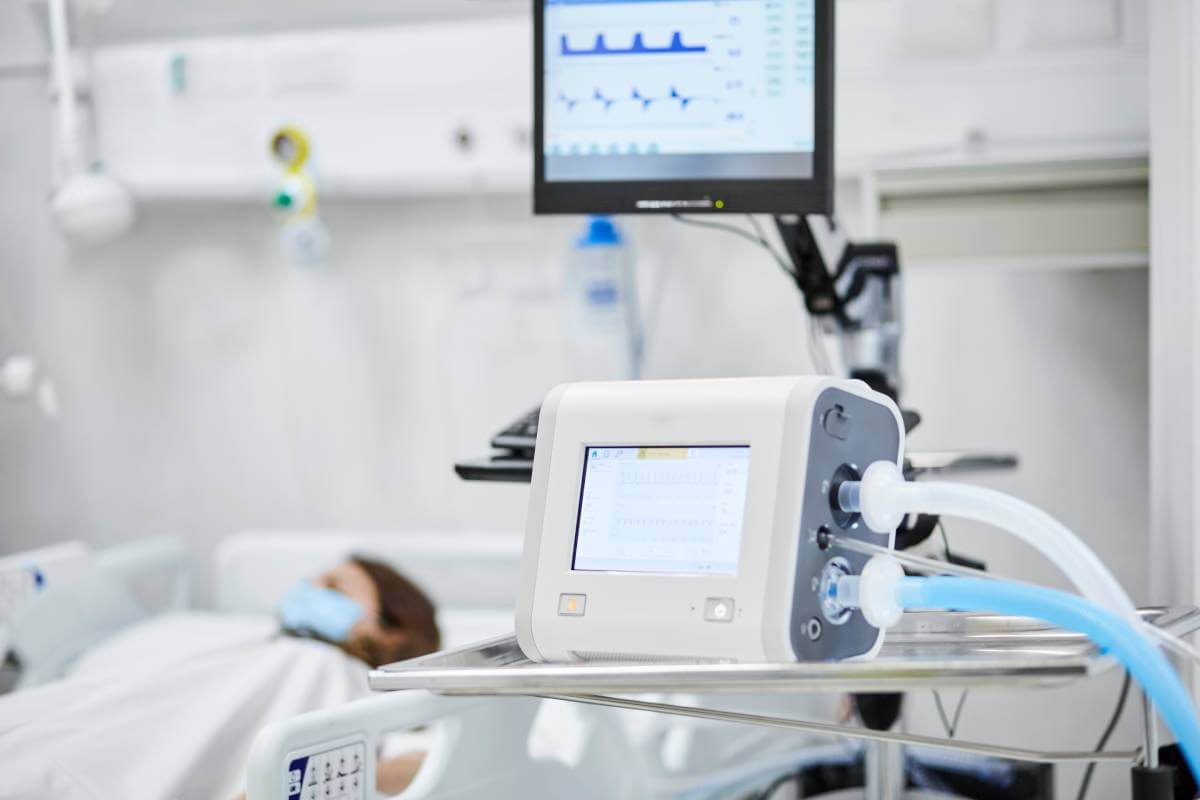
Jet ventilation (JV) is a specialized technique frequently employed during surgeries involving the airway. In anesthesiology, maintaining effective ventilation is

In the U.S., aspiring anesthesiologists follow a well-defined path, typically completing medical school, a residency in anesthesiology, and additional fellowship
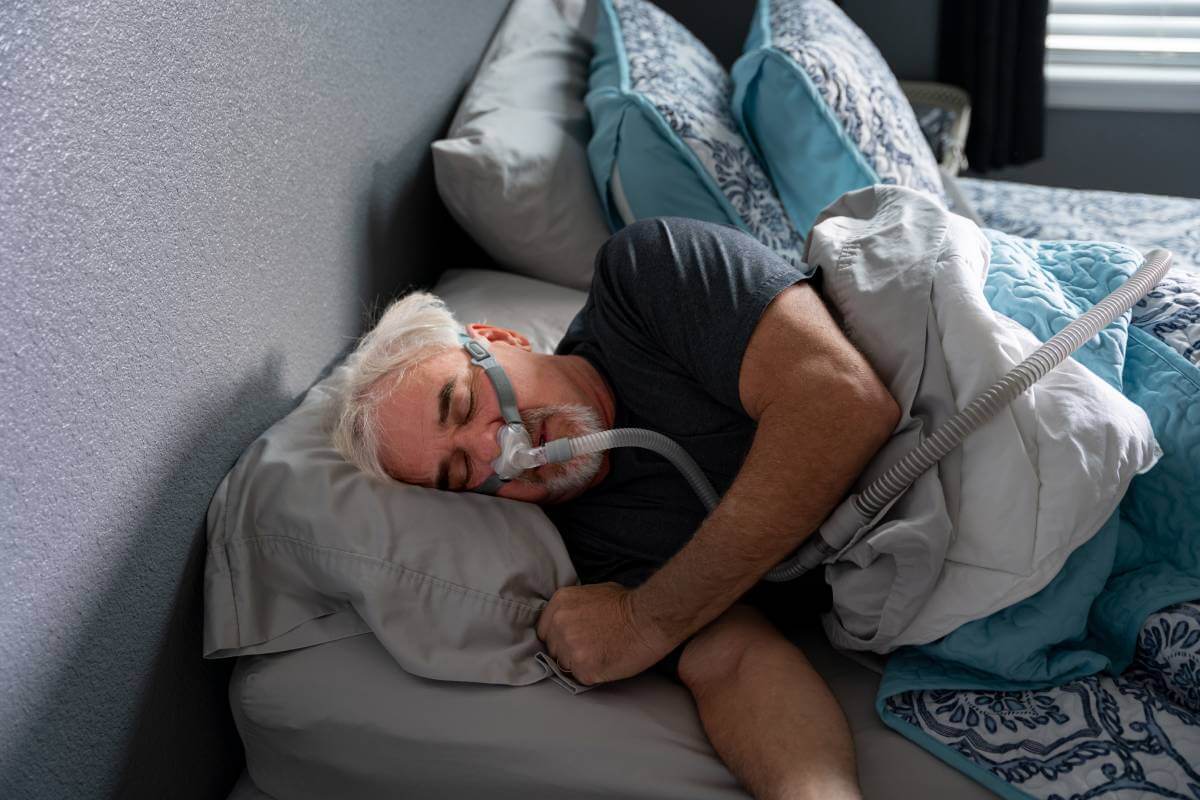
Glucagon-like-peptide-1 (GLP-1) drugs are a class of medications initially developed to treat type 2 diabetes. These drugs, also known as

Postoperative delirium is a common and serious complication that can occur after surgery, particularly in older adults. Characterized by confusion,

Endoscopy is a common medical procedure used to diagnose and treat conditions within the digestive tract. It involves the insertion

Esophagectomy, the surgical removal of part or all of the esophagus, is a complex procedure often performed to treat esophageal

Aspiration during anesthesia is a serious concern for anesthesiologists and surgical teams, due to its potentially life-threatening complications. Aspiration occurs
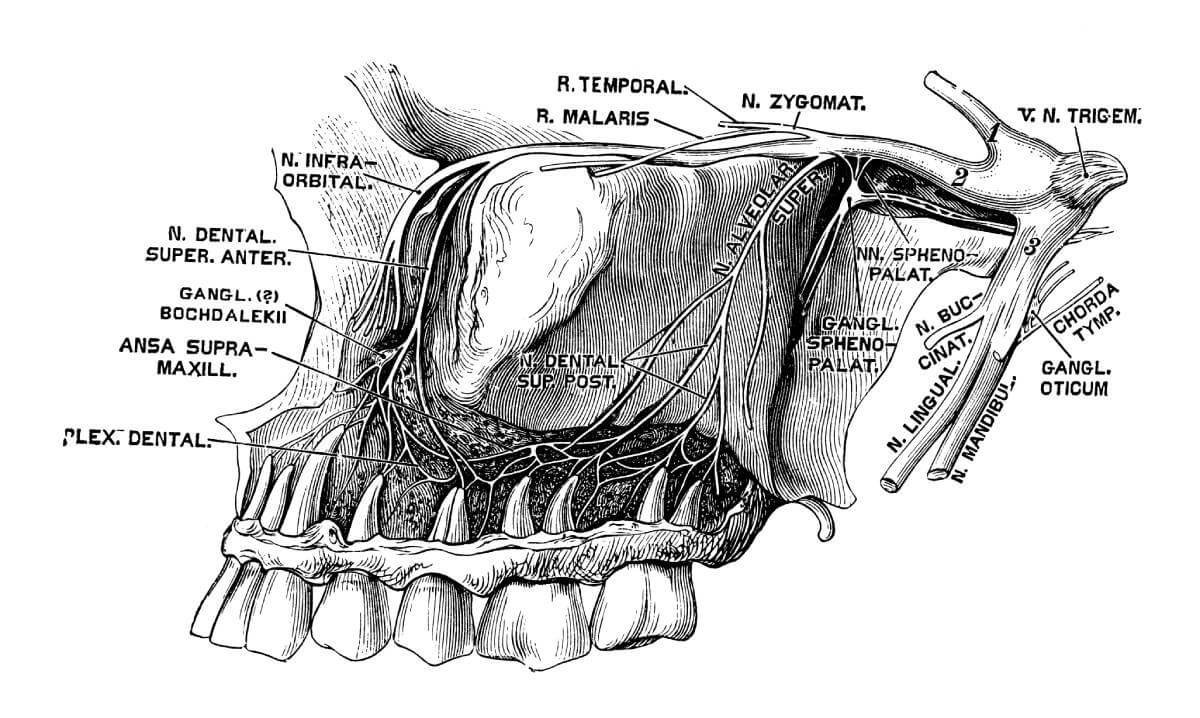
Facial pain affects around 25% of the adult population. It can be caused by inflammatory illnesses and infections such as

Opioid pain management in pediatric surgical patients is a complex endeavor that requires careful consideration of various factors to ensure

Parkinson’s disease (PD) is a progressive neurological disorder characterized by motor dysfunction and neuropathological damage.1 Risk factors for PD include environmental